New Hearing Protection Options for Concertgoers
Going to a concert looks a little different than it did a few years ago.
Call (844) 958-5304 to schedule today!
By: admin | July 26, 2026
Going to a concert looks a little different than it did a few years ago. Take a look around before the lights go down, and you’ll probably spot more than a few people putting in earplugs before the first song starts.
It doesn’t draw much attention anymore. For a lot of concertgoers, it’s simply part of getting ready for the show, no different than finding your seat or grabbing a drink before the band comes on.
Part of that change comes from having more choices than we used to. Concert earplugs aren’t all made the same, and many are built with live music in mind instead of blocking as much noise as possible.
Several styles reduce volume in a variety ways, which is why one pair can sound very unlike the other. Finding the right option is less about wearing earplugs and more about choosing a pair that fits the way you like to experience live music.
A concert doesn’t reach both ears in the same way. One ear may face a speaker stack, while the other sits behind your head or another person.
That uneven exposure can leave one side feeling different afterward. Indoor venues also reflect music off walls, ceilings and floors, so the volume may stay strong even away from the stage.
Your ears are processing amplified vocals, drums, guitars and crowd noise at the same time. Over several hours, that constant mix can change how certain pitches come through once the show ends.
You may notice that voices, music or ordinary room sounds seem different for a while. Repeated nights around that level of sound can make those changes harder to ignore.
Concerts pack several hours of amplified music, drums and crowd noise into one evening. Your ears keep responding to that intensity long after the performance begins.
Repeated exposure can wear down the inner ear structures that handle pitch and speech detail. Those changes may not be obvious after one night, which is why they’re easy to miss.
Protecting your hearing matters because the effect of loud music is often cumulative. One show becomes several, then years of concerts begin to shape what you hear.
High-frequency sounds may become less distinct, conversations may require more effort and music may lose some of its detail. Once that hearing has changed, it may not return to its previous level.
You may not notice a change until you’re back to your normal routine. Things like these often stand out first:
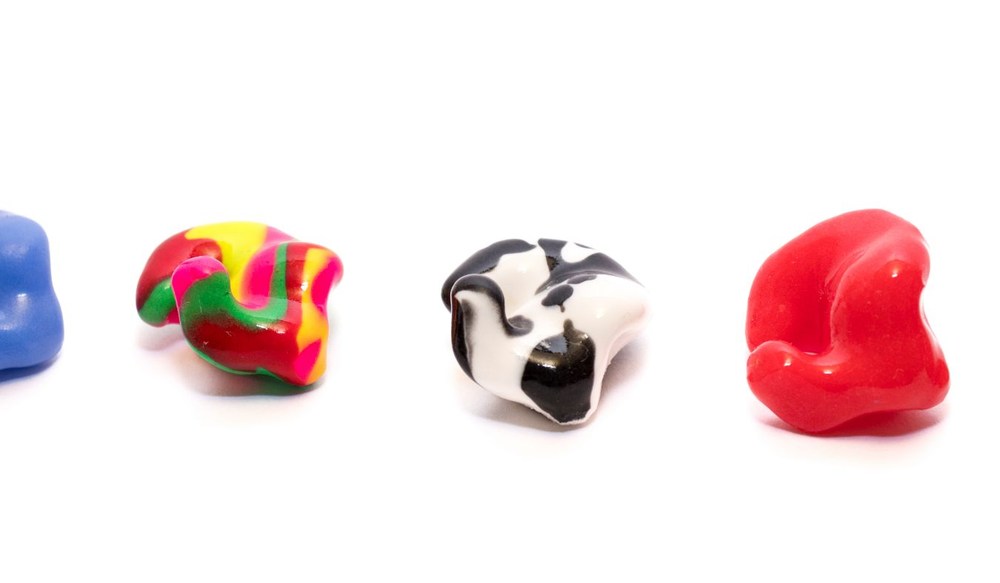
Vocals, guitars, drums and crowd noise stay recognizable, but the overall level is reduced. Since the fit is made for your ears, they’re less likely to move during a long performance.
Different filter strengths are available for listening preferences and venues. A smaller reduction may suit acoustic shows, while stronger filters may fit amplified concerts or time spent near the stage.
High-fidelity earplugs are made for people who want the concert to sound like a concert. They reduce the volume without taking away much of what makes live music enjoyable.
Vocals remain easy to follow. Individual instruments are easier to pick out, and the crowd still feels like part of the performance.
They’re useful in many kinds of venues, from small clubs to outdoor festivals and large arenas. Different models offer different levels of noise reduction, so people often choose them based on the type of shows they attend most.
Once the music starts, many concertgoers stop thinking about the earplugs altogether. Their attention stays on the performance instead.
Disposable earplugs are usually made from foam and shaped by hand before each use. They expand inside the ear canal and reduce a broad range of concert noise.
Each pair is used for a short period, then replaced. Fit can vary from one use to the next, especially if they aren’t inserted the same way each time.
Reusable earplugs are made from silicone or another flexible material and keep their shape between shows. Many include filters that lower volume while keeping music more recognizable.
They need regular cleaning and should be checked for cracks, stiffness or loose parts. Both types depend on a secure fit, since gaps around the earplug change how much sound reaches your ears.
Smart earplugs use built-in electronics to change how much outside noise reaches your ears. Some models switch between preset levels with a button or touch control.
Others connect to an app, where you can adjust the reduction for different parts of a show. The volume changes without removing the earplugs or replacing filters.
These earplugs still need a secure seal to work properly. They also require charging, and battery life varies between models.
Some include microphones that keep speech and music audible while lowering louder peaks. Others focus more on reducing the overall level throughout the performance.
Over-the-ear protectors cover the entire ear instead of sitting inside the ear canal. They reduce the overall volume while leaving the ears free from plugs or filters.
Some concertgoers prefer that style because the fit is easy to check immediately. They can also be removed and put back on quickly between songs or quieter parts of the night.
Their size changes how they feel in a crowded venue. Larger ear cups may press against hats, glasses or hair and movement can loosen the seal around the ear.
They’re often easier to manage for children or anyone who finds in-ear options uncomfortable. The amount of protection still depends on how well the cushions sit against your head.
The amount of noise reduction you need depends on the type of event and where you’ll be listening.
Looking at the noise reduction rating (NRR) and how you’ll use the earplugs can help narrow the options:
Foam plugs need time to expand after insertion. Reusable styles should feel secure without creating pressure inside the ear.
Earmuffs should seal around the ears without pinching your glasses or pressing too tightly against your head. Fit can change after several hours, especially as you talk, move or sweat.
Check the position during quieter moments and adjust anything that has started slipping. Bring a backup pair in case one gets lost or begins feeling uncomfortable.
Keeping your hearing protection clean helps it fit the way it was designed and keeps it ready for the next concert. A few ways to extend its life:
Outdoor shows may feel less intense because the sound spreads out, while enclosed rooms hold more of it around you. Your position also matters because the volume near a speaker stack can be very different from that at back of the room.
You may choose a lower reduction level for acoustic music and stronger protection for amplified rock, electronic music or festivals.
Shows with several performers may also mean more total listening time than one short set. Bringing more than one option lets you match the protection to the venue without guessing before the music starts.
Live music has always been about the experience as much as the performance. The people around you, the energy in the crowd and the sound filling the room are all part of why you came.
Hearing protection has become another personal choice, much like deciding where to stand or whether to sit closer to the stage. With more styles and designs available today, it’s easier to find something that fits the way you enjoy live music.
If concerts don’t sound the way they once did, or you notice changes after spending time around loud music, a hearing evaluation can tell you where your hearing stands today.
At Home Hearing Healthcare provides hearing care throughout Massachusetts, including Plymouth, Bristol and Norfolk counties along with Cape Cod and the Islands, as well as Florida’s Lee, Collier and Charlotte counties. You can reach us at (508) 250-9324 to arrange an appointment.
Tags: hearing loss prevention tips, hearing protection products, noise reduction ratings
Going to a concert looks a little different than it did a few years ago.
By: admin | July 26, 2026
If you already keep an eye on your blood pressure, your sleep or your step
By: admin | April 22, 2026
When you first get hearing aids, one of the biggest questions on your mind
By: admin | February 20, 2026